
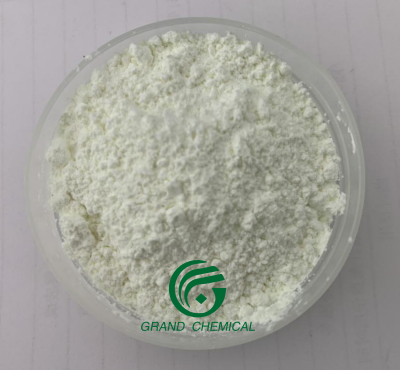
Optical brightener OB (C.I. Fluorescent Brightener 184) is one of the most widely used fluorescent whitening agents in plastics, coatings, and printing applications. Known for its excellent thermal stability, strong blue-white fluorescence, and broad compatibility with polymer systems, OB is a preferred choice for improving whiteness, brightness, and visual clarity across many materials.
This article provides a comprehensive technical overview of the product, including its chemical identity, performance characteristics, handling requirements, and industrial applications.
1. Chemical Identity of Optical Brightener OB
- Product Name: Optical Brightener OB
- Chemical Name: 2,5′-Bis[2-(5-tert-butyl-2-benzoxazolyl)]thiophene
- C.I. Number: Fluorescent Brightener 184
- CAS Number: 7128-64-5
- Molecular Formula: C₂₆H₂₆N₂O₂S
- Molecular Weight: 430 g/mol
Optical brightener OB belongs to the benzoxazole-based family of fluorescent whitening agents, known for high fluorescence efficiency and outstanding stability in thermoplastic processing.
2. Technical Specifications
| Parameter | Specification |
|---|---|
| Appearance | Light yellow powder |
| Purity (Content) | 99.80% |
| Melting Point | 201.1–202.2 °C |
| Volatile Matter | 0.24% |
| Ash Content | 0.03% |
| Max Absorption Wavelength | 375 nm (in ethanol) |
| Max Emission Wavelength | 435 nm (in ethanol) |
Solubility
- Poorly soluble: Water
- Soluble in: Alkanes, mineral oils, and most common organic solvents
These solubility characteristics make OB suitable for a wide range of organic polymer materials.
3. Packaging Information
Optical brightener OB is typically supplied in:
- 25 kg fiber drums,
- PE inner bags for moisture protection.
This packaging ensures safe storage and convenient handling for industrial users.
4. Applications of Optical Brightener OB
Thanks to its strong fluorescence and high thermal stability, optical brightener OB is extensively used to enhance whiteness, brightness, and color purity in:
Plastics
- PVC (rigid and flexible)
- Polystyrene (PS)
- Polyethylene (PE)
- Polypropylene (PP)
- ABS
- Cellulose acetate
OB performs exceptionally well in thermoplastic processing due to its thermal resistance and excellent dispersion performance.
Coatings and Paints
- Architectural coatings
- Industrial coatings
- Clear coatings to reduce yellowish tint
- Overprint varnishes for enhanced brilliance
Printing Inks
- Plastic inks
- Solvent-based inks
- UV-curable inks
Its strong blue fluorescence helps mask yellowish undertones and improves optical brightness under natural or UV lighting.
5. Transportation Guidelines
To maintain product quality, OB should be transported under the following precautions:
- Avoid inversion, heavy impact, or package damage
- Protect from direct sunlight, moisture, and heat
- Keep sealed to preserve purity and performance
6. Storage Recommendations
- Store in a cool, dry, well-ventilated environment
- Keep away from heat sources and reactive chemicals
- Recommended shelf life: up to 2 years under proper conditions
Conclusion
Optical brightener OB remains a high-performance fluorescent whitening agent for plastics, coatings, and inks, offering excellent thermal stability, strong fluorescence, and broad compatibility. Its reliability and ability to significantly improve the visual brightness of materials make it a staple ingredient in industrial whitening and brightening formulations.
Shandong Grand Chemical Co., Ltd. is a professional manufacturer and exporter of optical brighteners in China. If you have any inquiries, please feel free to contact us.